English purchasing guides
Material knowledge for better fabric decisions.
Technical notes and practical answers for wholesalers, importers and product teams sourcing linen, hemp, ramie and blended woven fabrics.
HZ / INSIGHT
Material SelectionCompare lyocell linen and pure linen for summer dresses by drape, wrinkles, sheerness and hand feel, then review sourcing and sample options.
Read insight → HZ / INSIGHT
Ordering & SpecificationsSee standard fabric lead times for stock colours, custom dyeing and new development, and plan backwards from your garment delivery date.
Read insight → HZ / INSIGHT
Ordering & SpecificationsCompare EXW, FOB and CIF when buying fabric from China, and learn what to include when requesting a quotation on a chosen term.
Read insight → 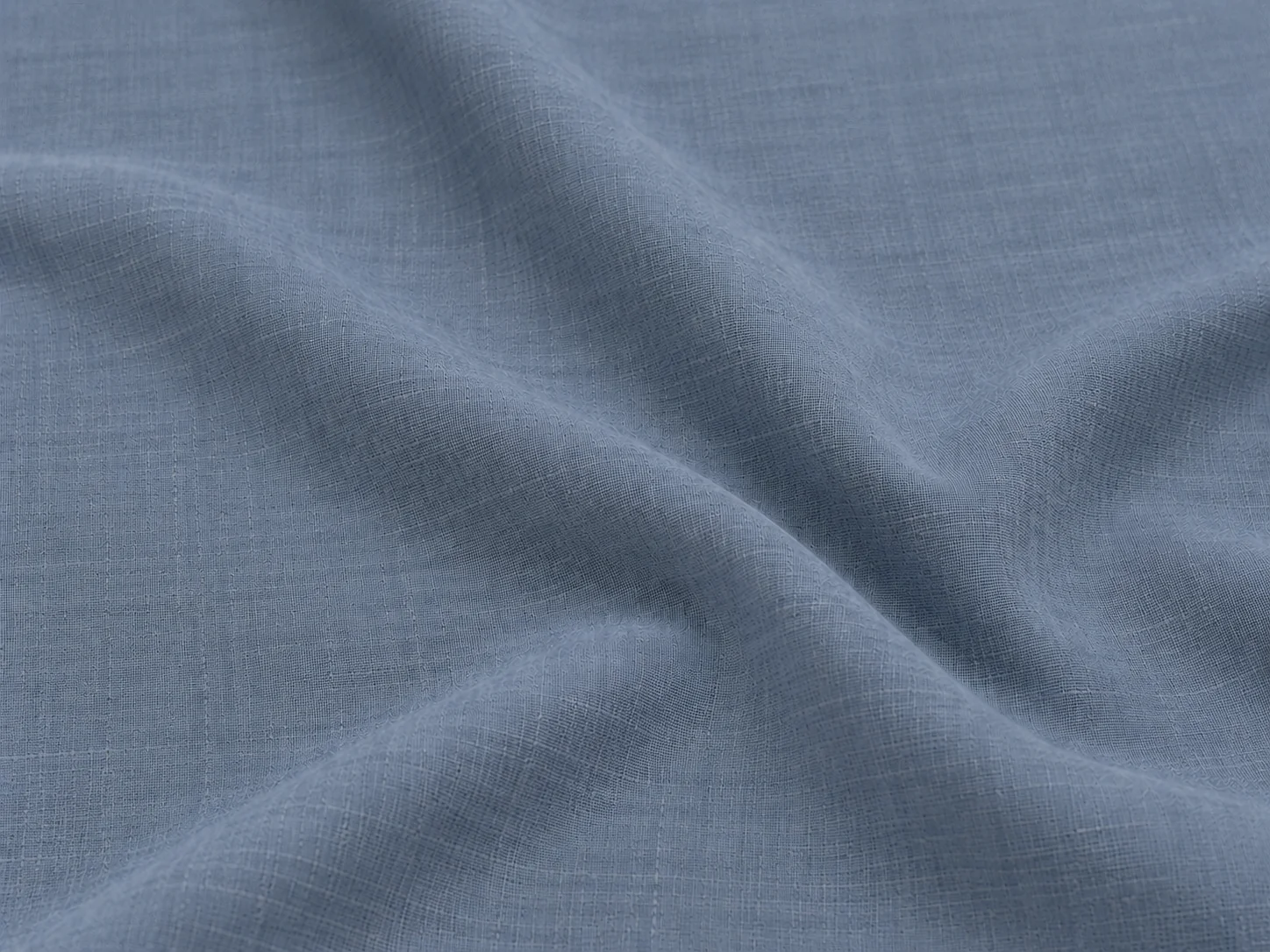
Sampling & Supplier SelectionUse a one-metre linen sample for an initial material review. Plan the cutting and checks first; a sample alone does not approve a bulk order.
Read insight → 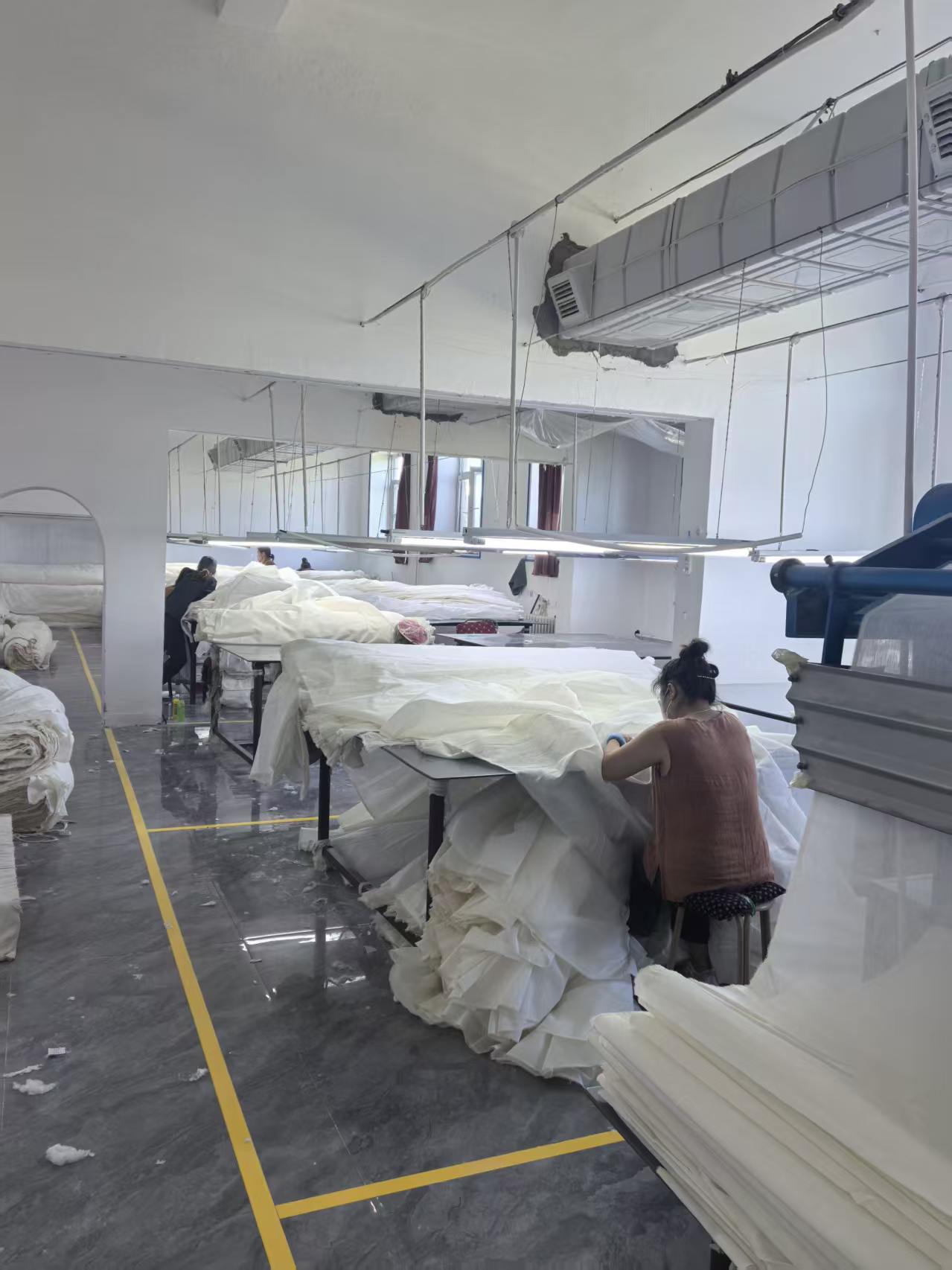
Sampling & Supplier SelectionConnect the supplier identity, exact fabric, sample and written offer before ordering. Factory photographs alone do not verify an individual order.
Read insight → 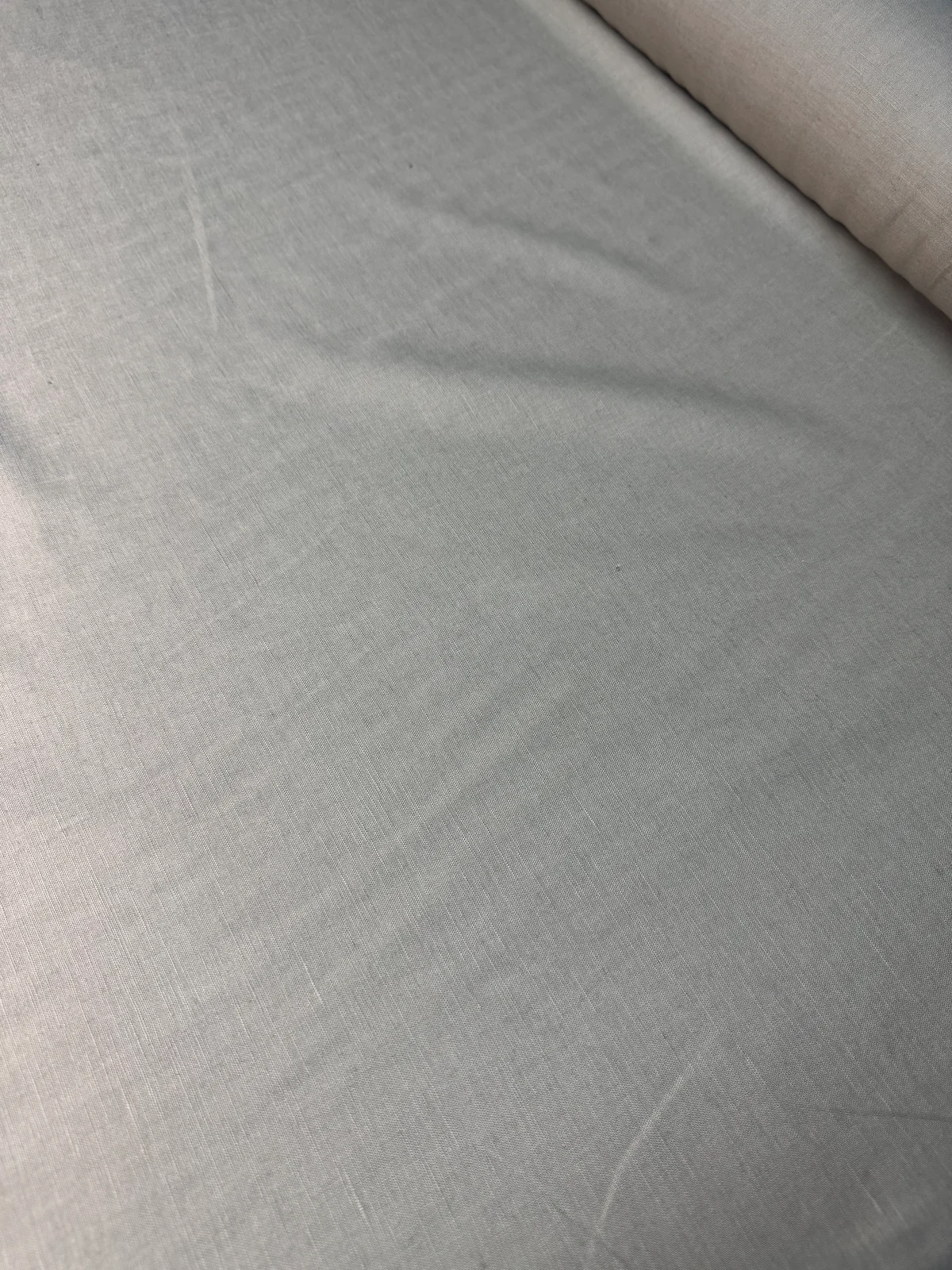
Material SelectionCompare two 55% linen and 45% cotton qualities by construction, weight and sample identity before choosing cloth for an apparel project.
Read insight → 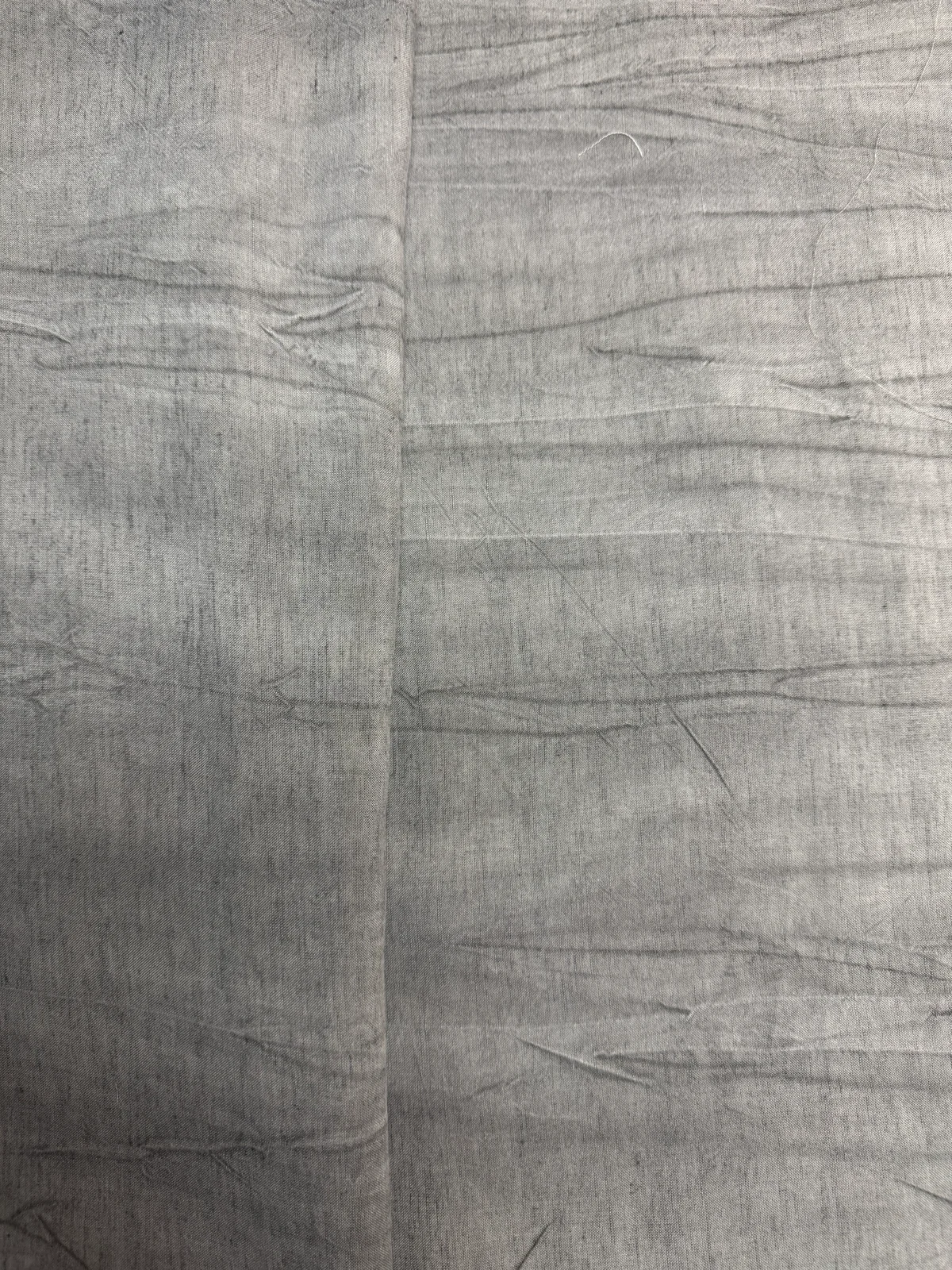
Material SelectionCompare actual Lyocell-linen percentages alongside construction, GSM and width, and prepare a traceable sample request for apparel development.
Read insight → Ordering & SpecificationsConvert length units before comparing fabric quotations, then check width, finishing and included costs using clearly stated purchasing assumptions.
Read insight → 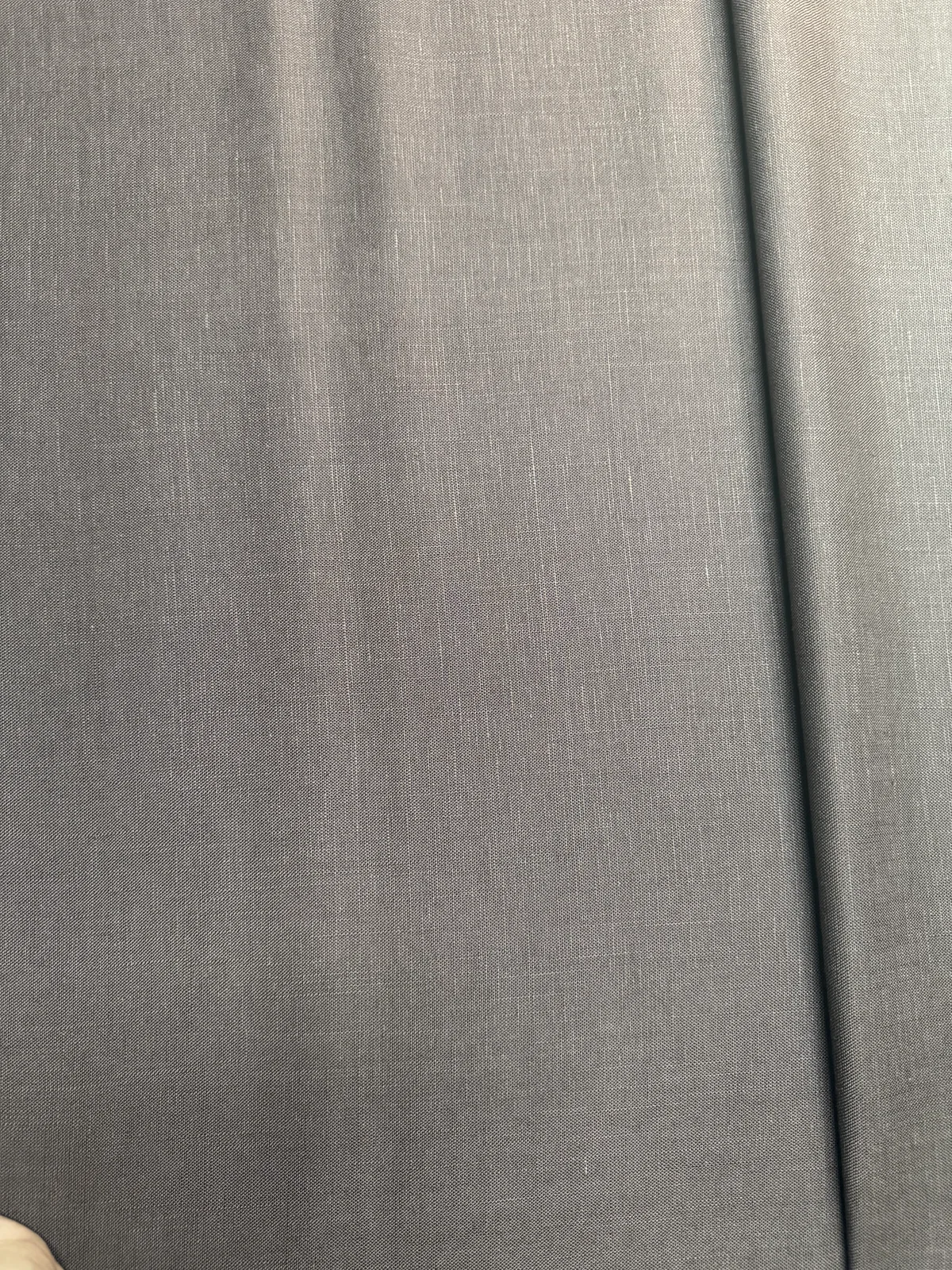
Material SelectionBuild an overshirt or light-jacket fabric brief around structure, layering and garment construction, then compare identifiable linen and blend samples.
Read insight → Material SelectionCompare identifiable hemp and linen shirt fabrics by specification and garment needs, without assuming equivalent performance from natural-fiber names.
Read insight → Ordering & SpecificationsKeep color references attached to their fabric SKU and record quantity per shade when building a multi-color fabric inquiry or sample request.
Read insight → Ordering & SpecificationsPrepare a physical reference, identify what must match and separate acceptable alternatives before asking a fabric supplier to propose a replacement.
Read insight → Ordering & SpecificationsPreserve original yarn and density notation, ask for missing units and compare exact SKUs instead of guessing how a fabric specification should be read.
Read insight → 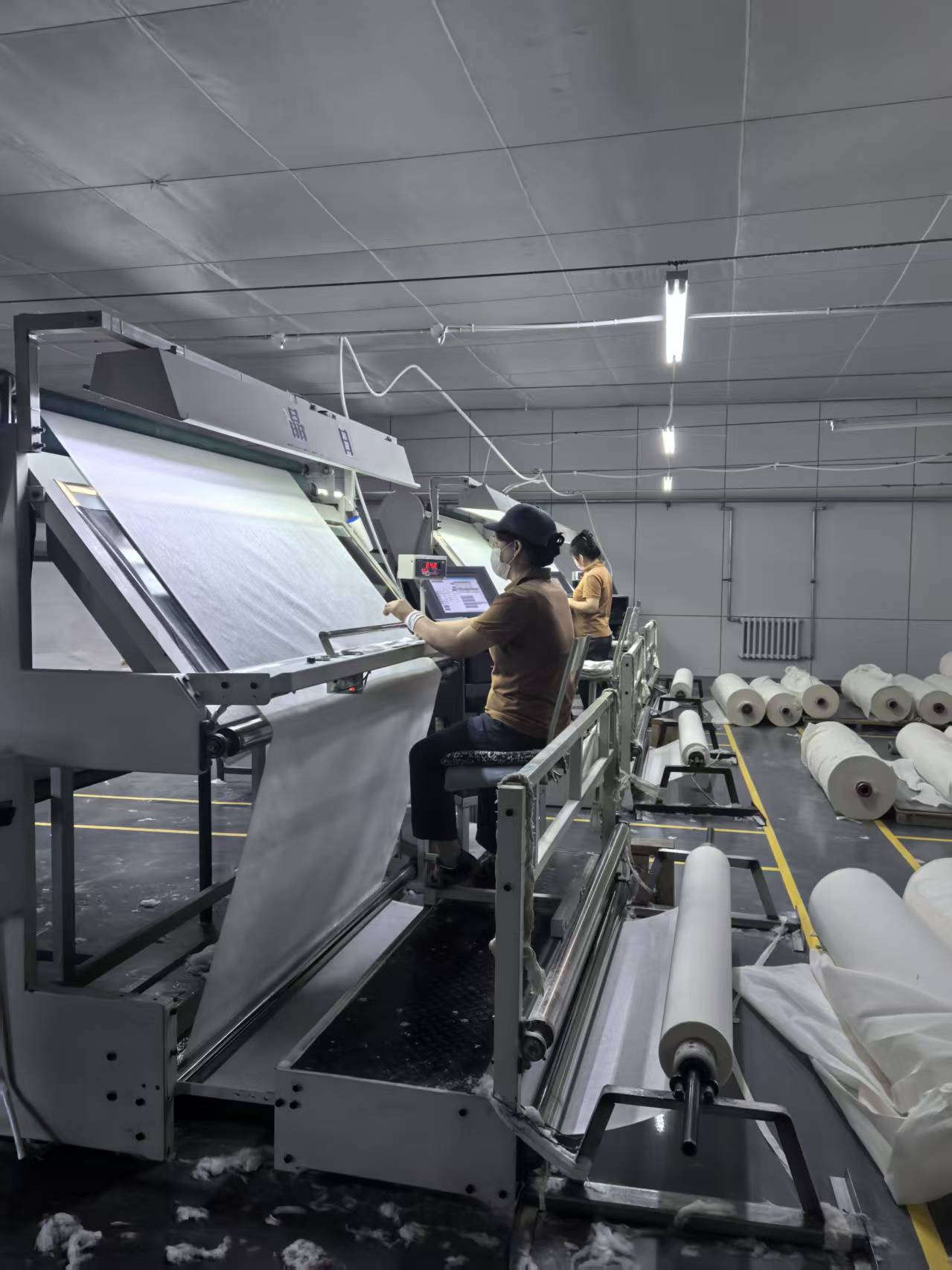
Quality & EvidenceCheck roll identity, inspection coverage, defect records and the agreed acceptance basis before using a fabric inspection report for an order decision.
Read insight → Quality & EvidenceCheck the issuer, holder, validity and product scope of a fabric certificate, and keep certification separate from the results of an individual test report.
Read insight → Buying GuideAsk for the right fabric identity, washing conditions and dimensional-change evidence before approving linen for cutting or garment production.
Read insight → 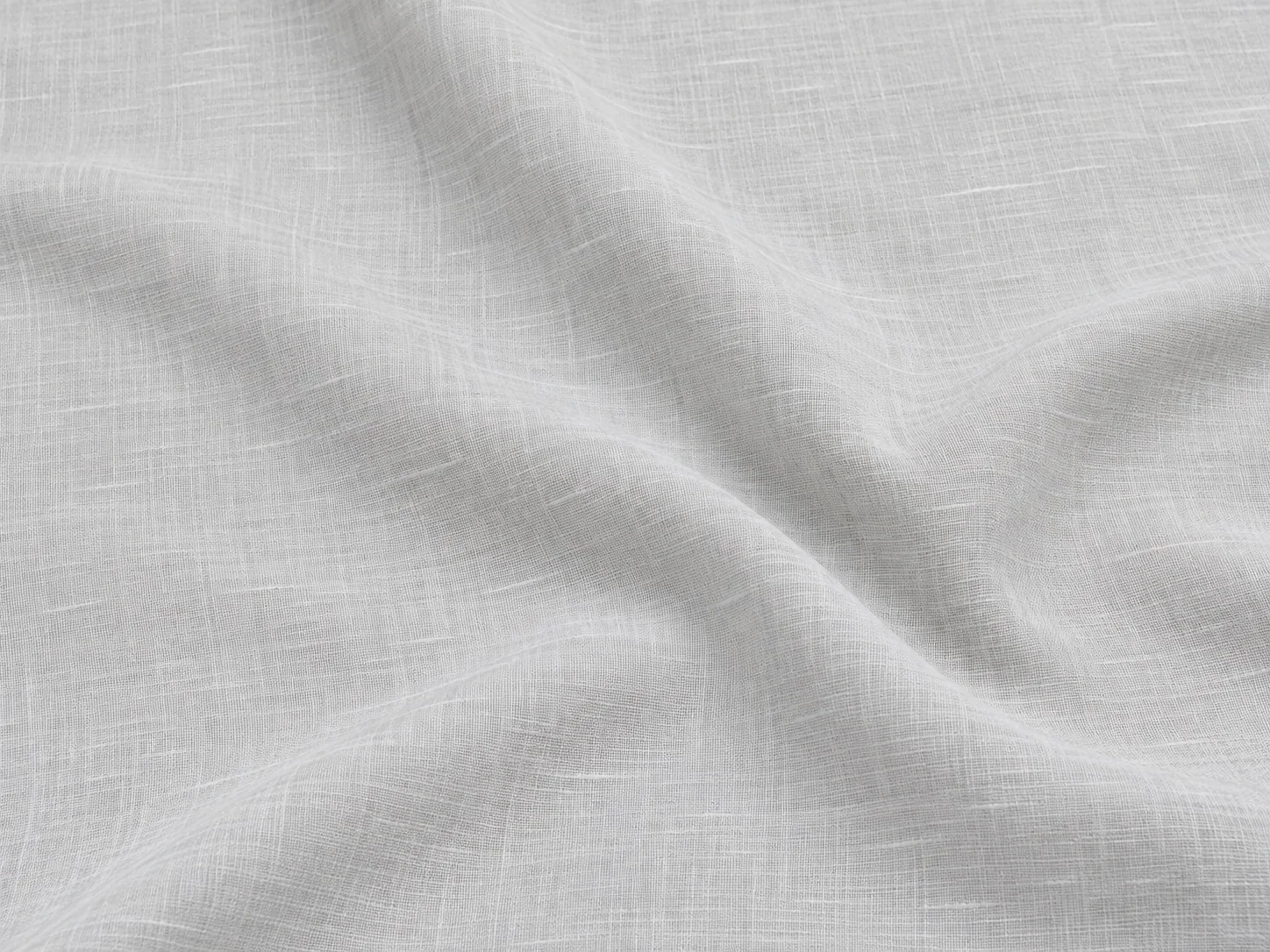
Buying GuidePrepare a color-specific sample review for light linen and ramie garments. Compare lighting, underlayers and lining before approving a fabric.
Read insight → Buying GuideSeparate sample quantity, stock availability and custom-production minimums when preparing a linen fabric order or planning a repeat purchase.
Read insight → 
Buying GuideCompare ramie and linen using identifiable product specifications, garment requirements and physical samples, without treating fiber names as performance guarantees.
Read insight → 
Buying GuideCompare actual Lyocell-linen and viscose-linen blend ratios, constructions and sample requirements before choosing a fabric for apparel.
Read insight → 
Buying GuidePrepare a fabric enquiry that can be compared and quoted: identify the quality, color, quantity per color, finish, width basis and delivery destination.
Read insight → 
Buying GuideShortlist shirting fabrics with a repeatable sample review covering the garment silhouette, opacity, surface, construction and requested finish.
Read insight → 
Buying GuideCompare actual blend ratios, construction, finish and samples when choosing between linen-cotton and linen-viscose fabrics for apparel.
Read insight → 
Buying GuideSeparate quality, color, finish and commercial approvals so that a sample discussion becomes a clear bulk-order reference rather than an ambiguous agreement.
Read insight → 
Buying GuideKeep linear metres, usable width and fabric weight separate when preparing an order, and use clearly stated assumptions for preliminary calculations.
Read insight → 
Buying GuideCompare dress and skirt fabrics around silhouette, movement, opacity and lining needs before committing to a bulk fabric specification.
Read insight →