The same blend ratio can describe different fabrics
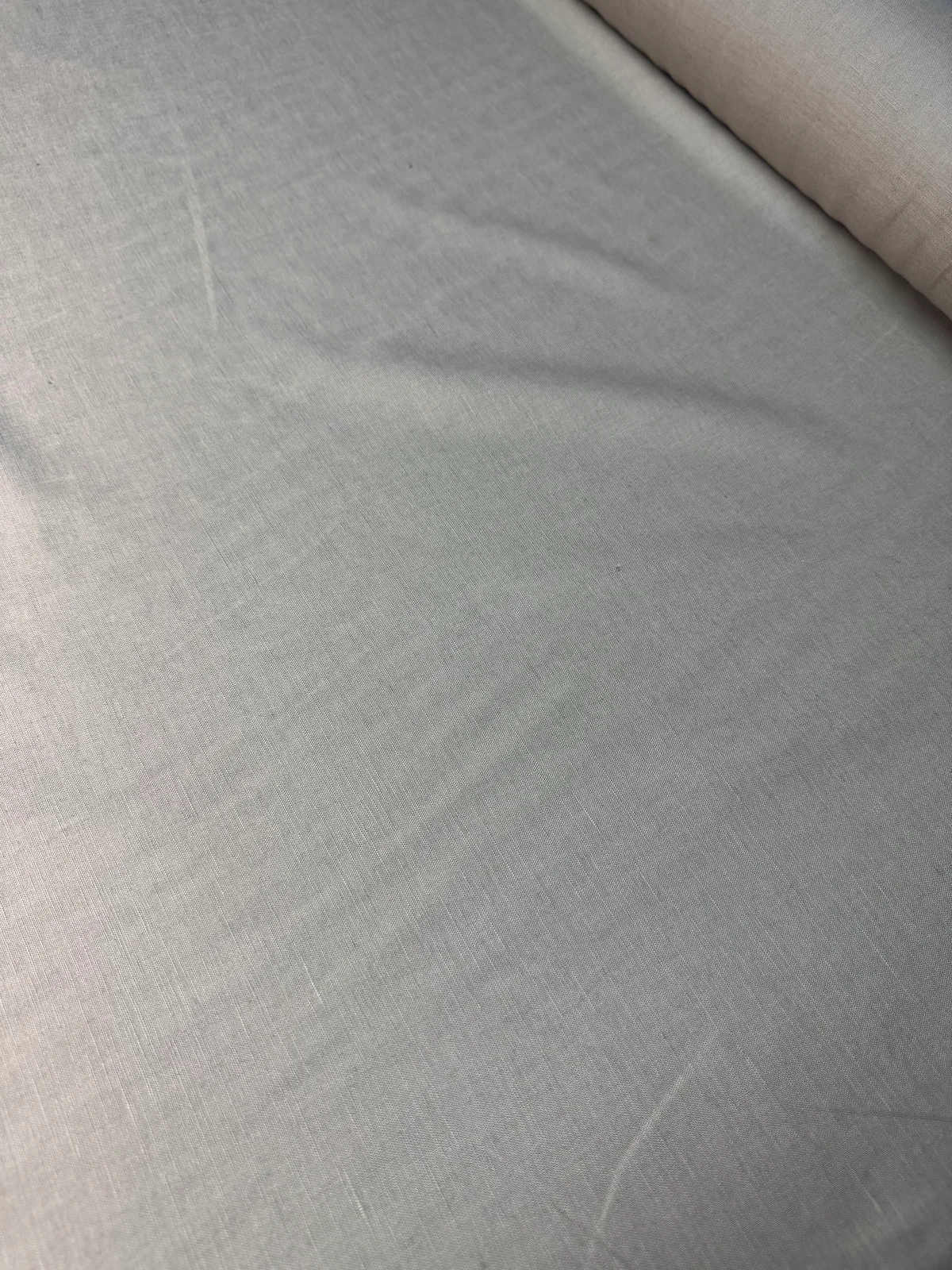
If your brief asks for 55% linen and 45% cotton, two fabrics can meet that composition while remaining different purchasing choices. Yarn references, density, weight, finishing and the approved sample still matter. The blend percentage is a starting filter, not a complete description of the cloth you will receive.
Hanzhong publishes two references in this blend. Use the linen-cotton category to retain their individual identities instead of requesting a generic cotton-linen fabric. This guide compares the published specifications and prepares a sample review; it does not report a controlled performance test.
Put the two specifications side by side
- HZ-LC-XH-001: 55% linen / 45% cotton, 125 GSM, 138 cm stated width, original construction reference 21×14 / 54×52.
- HZ-LC-XH-005: 55% linen / 45% cotton, 179 GSM, 138 cm stated width, original construction reference C60 × L17 / 108×70.
Both list the same fiber percentages and width, but their weight and construction references differ. Preserve the original notation when you ask for clarification. Do not silently add yarn-count units or assume that every number uses the same system.
The 54 GSM difference is a difference in listed mass per unit area. It is not a softness score, durability ranking or proof that one fabric is opaque. A useful enquiry describes what the garment needs rather than calling the heavier option a higher grade.
Decide what the sample needs to answer
For a shirt, describe the fit, collar and cuffs and ask the garment maker to review the shortlisted cloth with those components. For a dress, describe the silhouette, lining plan and where the garment needs body or movement. Review the samples in the intended shade and finish wherever possible.
Keep observations separate from specifications. You may record how a particular sample hangs or looks over an underlayer, but that observation belongs to that sample and setup. It should not become a universal claim about all 55/45 blends, all colors or all subsequent finishes.
Use a comparison record that stays attached to the order
Record the SKU, shade, date received, stated finish and sample dimensions for each candidate. Add the garment-maker observations and the questions still open. If a sample does not represent the proposed bulk finish, identify that difference before approving it.
Ask separately for applicable wash, colorfastness or other required information. Neither composition alone nor a matching screen color resolves those requirements. The sample-to-bulk approval guide helps distinguish quality, shade and finish approval.
Request both without losing the reference
Add LC001 and LC005 to one inquiry. Include the garment, preferred shades, sample form and destination. State forecast bulk quantity per color separately from sample quantity; no bulk MOQ is established by this article.
If you are also considering a different blend family, continue with the linen-cotton versus linen-viscose guide. Keep that wider material decision distinct from selecting between these two 55/45 references.