Ramie and linen are different purchasing identities
Ramie and flax linen should not be treated as two names for the same fiber. The EU textile-fiber naming reference lists them separately. For a buyer, the practical point is to retain the actual composition on the supplier brief and sample record. A similar natural surface or similar product photograph does not establish identical fiber content. This guide is a sourcing comparison, not destination-specific labeling advice.
Start with the pure linen selection and ramie selection. Each group links to actual Hanzhong qualities. The choice between them should lead to a particular sample, not an assumption that every fabric in one family behaves the same way.
Compare two identifiable references
As published for this guide, HZ-R-XH-001 is 100% ramie, 60 GSM, 142 cm stated width, with the original yarn/density reference 60×60 / 83×68. HZ-L-XH-002 is 100% linen, 119 GSM, 138 cm stated width, with 17×21 / 52×53. The linen-121 URL is the existing address; the current listed weight is 119 GSM.
These are different weights and constructions as well as different fibers. A sample comparison can help choose a garment fabric, but it cannot isolate a fiber-only performance difference. Record the color, finish and dimensions of each sample so you know what you actually compared.
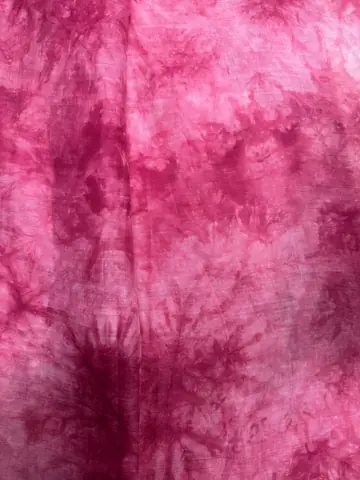
The artistic ramie HZ-R-XH-004 is another separate reference. Its published weight and width may match R001, but that is not permission to substitute it. Compare its own photographs and approved sample if the color effect is part of your design.
Match the comparison to the garment
For a shirt, bring the collar, cuff and placket requirements to your garment maker. For a dress or light cover-up, describe the intended silhouette, movement and underlayer. You can use the resortwear selection to assemble a mixed-material shortlist.
Place samples under the same daylight and indoor lighting. Review surface appearance and coverage in the intended shade, and hang comparable sample sizes to judge their fall. Ask the garment maker whether the chosen construction needs a lining or a larger cutting trial. Do not decide opacity from GSM alone or transfer a conclusion from one shade to every color.
Separate observation from verified performance
A fabric that looks suitable in a photograph still needs its own care and construction review. If shrinkage, seam behavior or colorfastness matters to the order, ask what evidence is available for the selected quality and relevant batch. Agree the required test and fabric condition. This page does not provide test results, a universal shrinkage percentage or a ranking of which fiber is more durable.
Prepare one useful comparison request
- Include both SKU references and the intended garment.
- State the colors or physical shade references to compare.
- Choose swatches, color cards or sample lengths; explain if a garment trial needs more cloth.
- Give the destination and requested sample quantity separately from estimated bulk quantity.
- List any finishing, care or testing requirements that remain to be confirmed.
Our sample lengths normally start at one metre and special requirements can be discussed. The customer pays sample and courier charges. Regular qualities are usually in stock; in-stock samples can generally be dispatched the same day, subject to the selected product, color and actual preparation. Dispatch is not delivery. See the sample policy before arranging shipment.
Move from a comparison to a specific order
Keep the selected SKU, approved shade and finish together. If the sample leads you to choose another reference, review that quality separately. Use the sample-to-bulk checklist to record what has been approved and what remains open, then request the linen and ramie samples together.