Define the shirt before choosing the cloth
A relaxed overshirt, a fitted blouse and a light summer shirt give a supplier different briefs. Start with the silhouette, intended wearing conditions, color and garment construction. Explain whether the design relies on a soft fall, a firmer shape or a particular visible texture. Treat these as selection requirements to check rather than properties guaranteed by the word linen.
The shirt and blouse application direction is a starting point for this conversation. It should lead to an identifiable sample, not a final decision based only on a category name.
Build a small, traceable shortlist
Keep a separate record for each SKU. Copy its composition, published weight, width and construction reference from the current product page. The HZ-L-XH-001 page, for example, provides a specification and several views of one real quality. Another linen reference can be reviewed alongside it; a different weight alone does not explain every difference between the fabrics.
Ask the supplier to identify the color and finish of the sample being sent. If the sample does not represent the proposed bulk finish, record what remains to be developed or confirmed.
Use the same review conditions for every sample
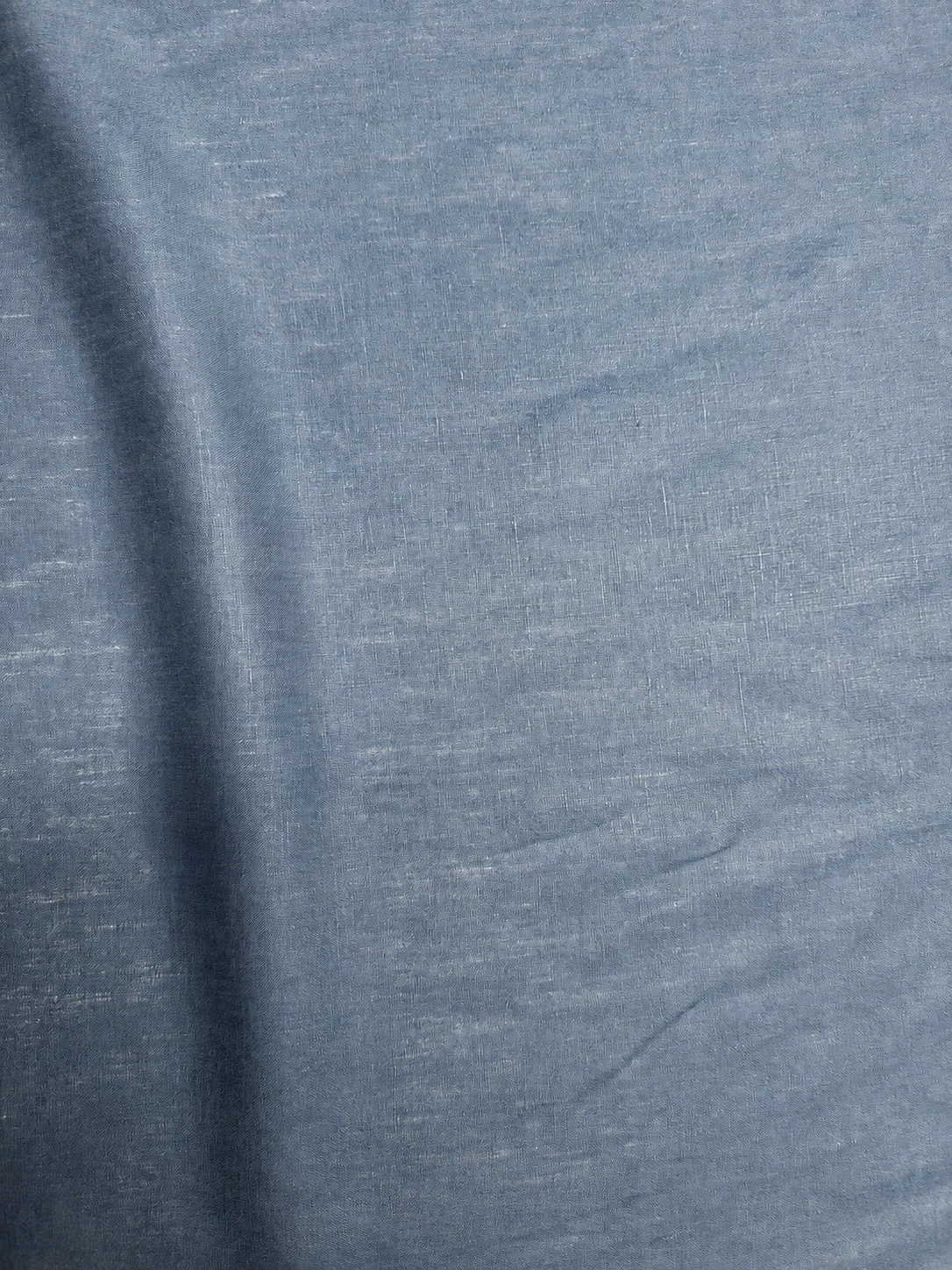
Place the shortlisted samples under the same lighting and record which side you are examining. Look at the surface and visible yarn variation. Assess opacity in the intended color, especially when the shirt will be worn without another layer. Check how the sample hangs and folds rather than assigning a hand-feel description from the photograph.
Pass the selected samples to the garment maker for a construction review where appropriate. Areas worth discussing include the collar, cuff, placket and seam design. The purpose is to identify questions that need an actual sewing sample; it is not a substitute for a garment trial.
Record decisions in a simple sample sheet
- SKU, sample date, sample color and stated finish.
- Intended shirt design and the reason this sample is shortlisted.
- Surface, drape and opacity observations made by the buyer.
- Construction questions for the garment maker.
- Required wash or shrinkage information and the applicable test basis.
- Items accepted, items rejected and items still awaiting clarification.
Turn the shortlist into a purchasing brief
Once the sample review identifies a suitable direction, specify the quantity per color, width requirement, finish, destination and target date. Ask for the quotation against that same reference. Do not assume that approving a texture photograph also approves color, finishing or production timing.
Use the quotation checklist to keep these commercial details together. Final suitability should be agreed for the garment, quality and finish actually being ordered.