Give every sample a clear identity
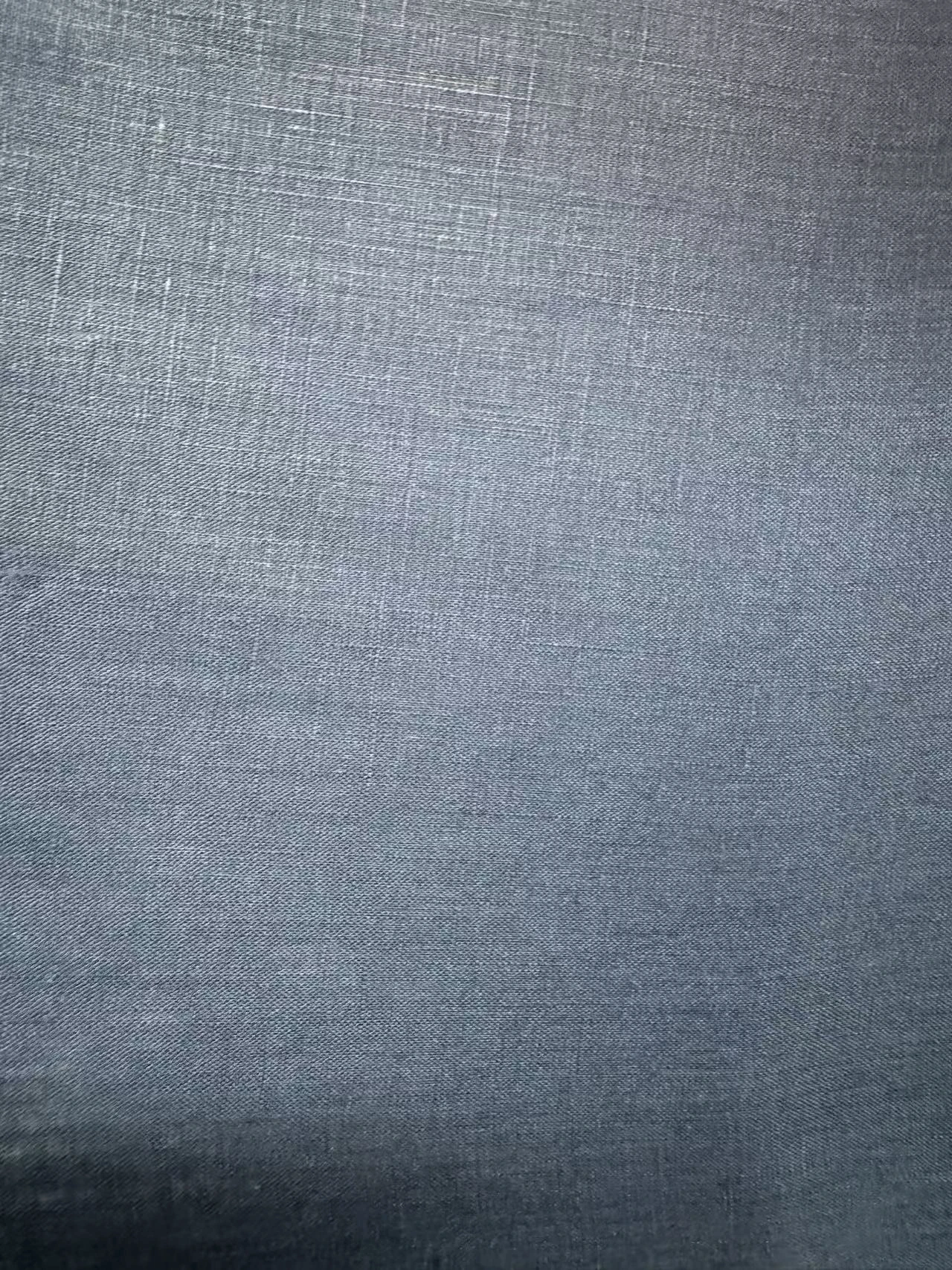
When requesting a swatch or sample length, include the SKU, intended garment, color requirement and destination. A4 swatches are free (up to 5 colours per quality); sample yardage is USD 8 per metre from 1 m and the fee is deducted from a bulk order. The buyer pays courier cost. Confirm availability and dispatch for the selected quality through the sample policy.
When the sample arrives, label it with the supplier reference and the date received. Keep the relevant product link and correspondence with that sample so that the buyer and supplier can identify the same item later.
Separate three different approvals
Quality approval concerns the selected fabric reference. Color approval concerns the agreed physical color reference. Finish approval concerns the finishing condition intended for the order. These may be represented by one sample, or they may require separate references. Ask which situation applies.
If the first swatch is only suitable for reviewing texture, do not assume that it also establishes the final color or finish. Record the limited approval and list what remains open. Lab dips are produced in 5–7 days from your swatch or Pantone reference. A short written note can prevent the word approved from being interpreted more broadly than the buyer intended.
Resolve the remaining checks before bulk
Discuss the garment construction and any sample-making requirement with the garment maker. Identify required testing, the applicable method and whether a report relates to the selected quality and relevant batch. The quality information page is a source of context, not a substitute for checking the document supplied for a particular order.
Standard order terms are shown below. Individual qualities may differ slightly; confirm the selected SKU, availability, destination and timing in the quotation. Use the quotation checklist to keep the same assumptions in the enquiry and final order discussion.
| Route | MOQ | Lead time |
|---|---|---|
| Stock colours | 1 roll per colour (approximately 50 m) | Ships in 3–5 days after payment |
| Custom dyeing | 800 m per colour | 15–20 days |
| New development | 2,000 m per quality | 30–40 days after sample approval |
Lyocell Linen 133 GSM custom dyeing: 18–22 days. Peak season (March–May): allow an extra 5–7 days.
Keep an approval register
- SKU and supplier sample reference.
- What was reviewed: quality, color, finish or a limited subset.
- Date, buyer decision and the person responsible for that decision.
- Accepted reference and any garment or testing checks still open.
- Confirmed specification, quantity and order documents.
- Any proposed substitution or later change requiring another review.
The register should contain the buyer's actual decisions. Do not enter a reviewer or an approval date simply because a form requires a completed field.
Handle changes explicitly
If a different quality, finish or color is proposed later, ask which previous reference it replaces. Retain the original record and identify the revised approval. Confirm any resulting changes to quotation and timing before proceeding.
This guide is a purchasing checklist prepared from Hanzhong's published specifications and policies. It is not a claim that a particular batch has passed inspection or that a customer has approved an order. Discuss your selected samples to establish the references and next steps for the actual project.