Define the outer layer you are making
An overshirt may be worn over another garment, while a light jacket may use different front, shoulder or pocket construction. Describe those features before requesting a fabric. The word lightweight does not identify the required structure, and a photo of a finished style does not supply its material specification.
Use the application overview as a starting point. Explain whether the design is an open layer, a buttoned shirt-jacket or a more tailored shape. This guide concerns fabric selection; it does not promise that a particular reference has passed a garment-performance test.
Compare named starting qualities
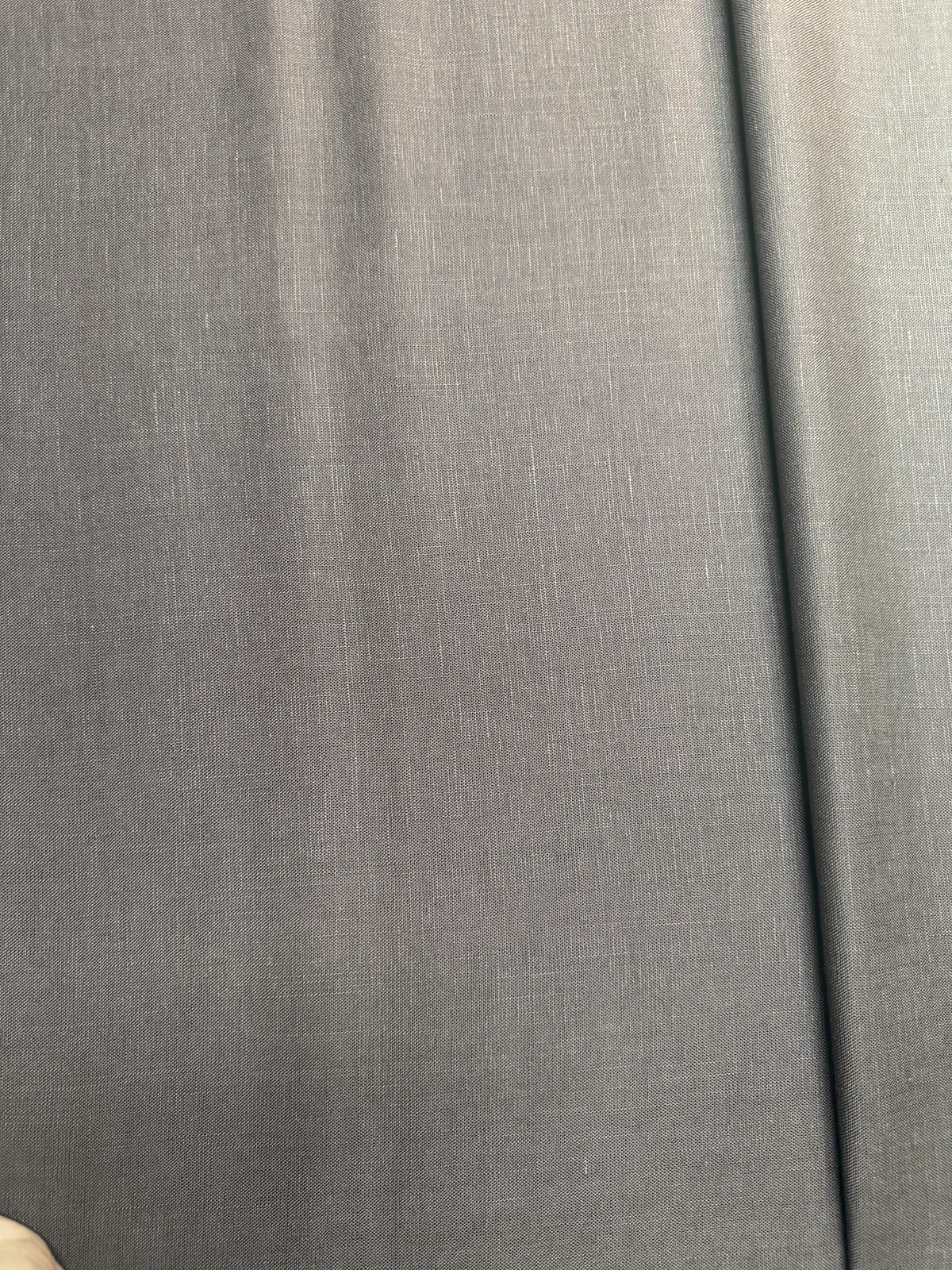
HZ-L-XH-004 is a published pure-linen reference at 190 GSM and 138 cm stated width. Its construction reference is 9×9 / 42×42. HZ-EL-XH-008 is a different blend: 75% Lyocell / 25% linen, 235 GSM, 145 cm stated width and 9×9+9 / 39×39.
They provide two identifiable directions for a sample discussion, not a claim that either is suitable for every jacket. Keep the composition, width and construction differences alongside the weights. A heavier number alone is not a guarantee of greater structure, durability or crease recovery.
Bring the garment components into the sample review
Ask the garment maker to review the intended collar, placket, pocket edges, cuffs and seams. If the design uses a lining or interlining, evaluate the proposed combination rather than approving the face fabric in isolation. Identify any pressing or sewing trial that the construction requires.
Consider the intended underlayer during fitting and coverage review. The sample should be assessed in its proposed shade and finish. A fabric that appears suitable when folded on a table may require further review when assembled into the garment.
Plan the trial quantity instead of assuming it
Ask the garment maker how much material the pattern and size need. Hanzhong sample lengths normally start at one metre, but that is a sampling starting point rather than a complete-jacket quantity. Special sample requirements can be discussed, with availability and charges confirmed for the selected reference.
The width and quantity guide explains why pattern consumption and listed fabric width are separate inputs. Do not turn a wider reference into a promised saving without checking the usable width and layout.
Identify evidence needed before approving production
State the intended care process and any required performance tests. Ask which documents or additional checks apply to the selected quality and batch. This article does not assign a universal shrinkage rate, an abrasion rating or an acceptance threshold to either reference.
Retain the garment trial and any agreed changes with the sample record. If a different finish or fabric is later proposed, review that change rather than treating the first approval as unrestricted permission to substitute.
Make the enquiry specific to the outer layer
Request L004 and EL008 samples with the design direction, components, shade and destination. Keep sample quantity separate from estimated bulk quantity per color. For a trouser-and-jacket set, also review the tailoring sourcing brief, since the two garments may need different construction checks.