Decide what you need the sample to answer
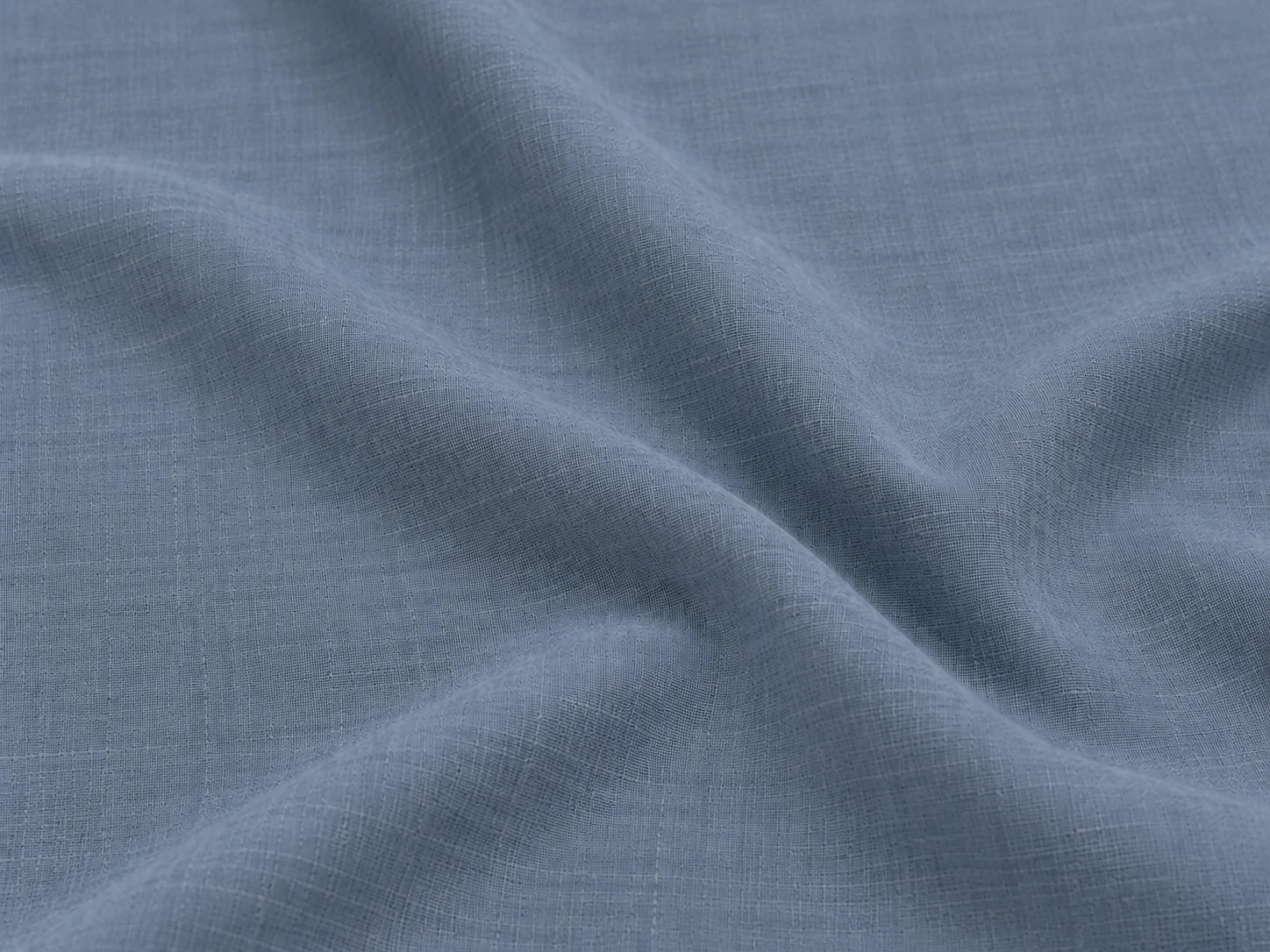
A one-metre sample can help you examine the actual fabric surface, shade and handling, and prepare selected trial pieces. It is not a guarantee that you can make a complete garment, perform every required test or approve every metre of a later order. Ask your garment maker or testing provider how much material their planned work needs before the sample is cut.
Hanzhong normally uses one metre as the starting sample length, and special requirements can be discussed. Swatches and color cards can also be requested. The buyer pays the sample charge and courier charge. These arrangements are explained in the sample policy; one metre is not a published bulk minimum order.
Choose the sample form for the decision
- A color card helps identify the supplier's shade references. Confirm which quality and finish the card represents before using it to approve an order.
- A swatch provides a small physical reference. Ask for its size and what it represents; do not assume that it contains enough material for cutting or testing.
- A sample length gives you more material for a planned review. Confirm the length, supplied width, shade and finish before arranging the checks.
If your immediate task is choosing between two qualities, comparable sample forms make the discussion easier. If your task is making a prototype, let the garment maker specify the required quantity from the actual pattern and cutting plan.
Label and divide the sample before cutting
Keep the SKU, shade code, received date and supplier correspondence with each piece. Retain an uncut reference if practical, then allocate separate pieces for the checks your team has agreed. Do not wash or cut the entire sample before recording its original condition.
For example, our 119 GSM pure linen reference and 148 GSM pure linen reference have separate SKUs even though both are pure linen. Label both when requesting a comparison. The listed weight identifies the product; it does not prove which sample is softer, more opaque or better for your garment.
Record observations without turning them into guarantees
Write down the shade, lighting, underlayer and intended application when reviewing appearance. Ask the garment maker to identify the components they want to try, such as a collar or seam. Record the result for that sample and setup, including questions that remain open.
For washing or laboratory work, confirm the method, preparation and material quantity with the responsible provider. This guide supplies no test method, acceptance limit or measured shrinkage result. A home observation should not be presented as an accredited report. The sample approval checklist explains how to keep quality, color and finish decisions separate.
What the sample does not settle
- Current bulk availability in every shade or a reservation of stock.
- The bulk minimum, price, delivery schedule or usable cutting width.
- Certification coverage, unperformed tests or consistency across an entire future batch.
- Whether a complete garment can be cut from one metre.
Keep those questions in the request. In-stock samples can generally be dispatched the same day, depending on the selected product and color. Preparation and dispatch need confirmation; courier transit is additional time.
Send a sample brief your supplier can act on
List the selected references, shade requirements, sample form and length for each one. Add the intended garment, checks you plan to make and destination. State estimated bulk quantity separately from sample quantity. Ask for sample and courier costs before dispatch.
Request both pure linen references, or browse the fabric library if you need a different material. If your team needs more than one metre for its review, explain why so the sample arrangement can be discussed before shipment.