Explain what matching means for your project
A request to match a fabric can mean several things: a similar appearance, a fixed composition, the same cutting width or a particular result in an existing garment. Start by ranking those requirements. Without that distinction, a supplier may propose something visually close while missing the characteristic that matters most to production.
Use the fabric development route to describe the target. This is an evaluation request, not a promise that an exact match can be manufactured. Keep confirmed facts separate from preferences and measurements that still need checking.
Label the reference before sending it
Give the sample a unique reference and say what it represents: an approved fabric, a garment cut-off or a visual inspiration. Include any reliable composition, GSM, width and finishing information you have, and identify where those details came from. If something is unknown, leave it as a question rather than copying a plausible value from another catalogue.
State whether the sample has been washed, worn or otherwise treated if you know. Its current appearance may not describe the original supplied condition. Ask the supplier what size or form of reference is needed for the proposed evaluation; a photograph alone cannot establish fiber percentages or all construction details.
Use photographs to support the physical reference
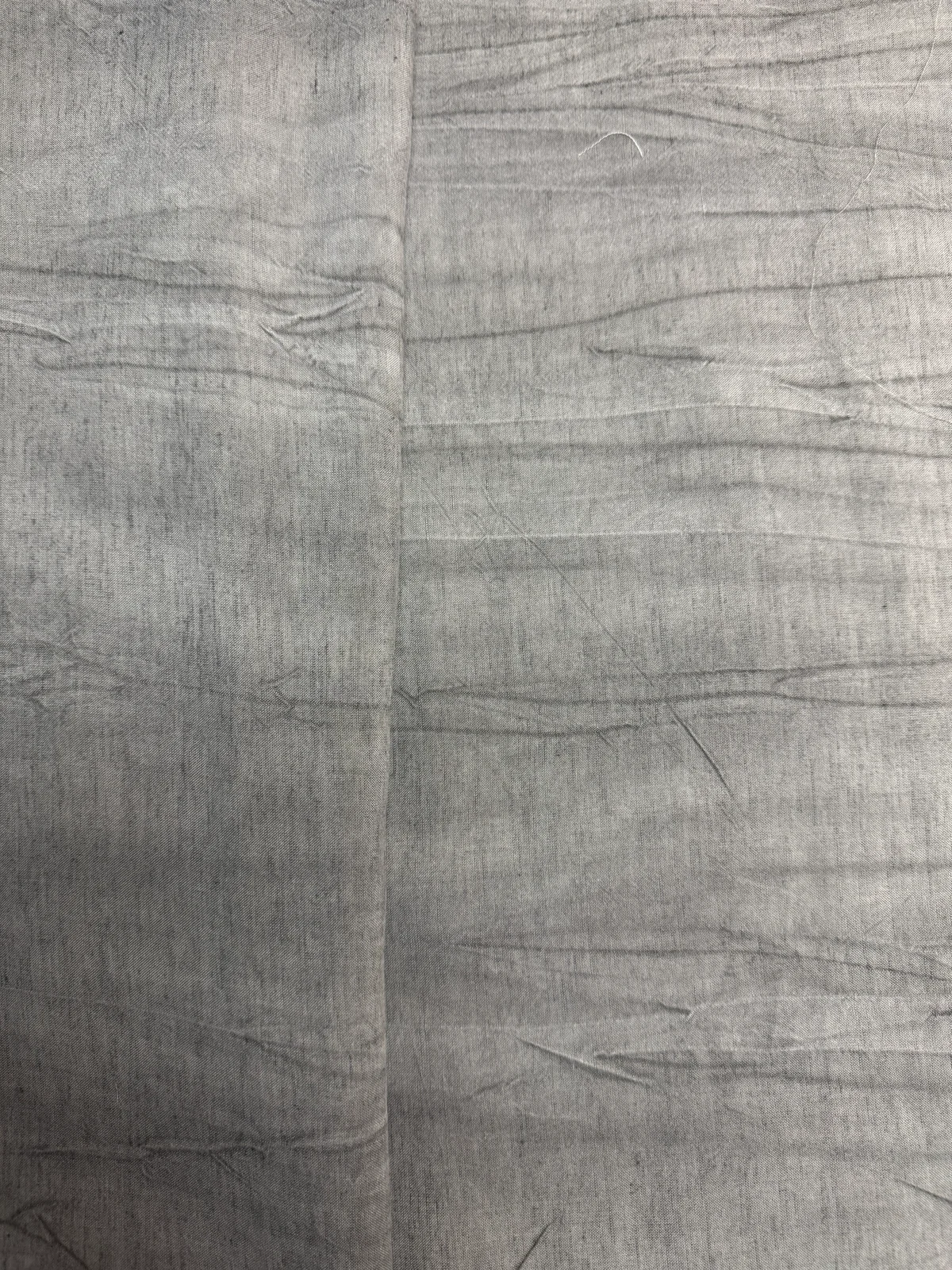
Photograph the face, reverse and any relevant label or construction detail clearly. Include context for scale and identify the sample in the accompanying message. An image can help communicate texture and design direction, but it is not a substitute for a physical assessment when the matching decision depends on the material itself.
Do not label an estimate as a measured fact. For instance, if you only suspect that a garment uses a linen blend, describe that as unconfirmed. Ask what information or testing would be needed to establish it before using the claim in a production specification.
Compare an offered alternative against the ranked brief
When a supplier proposes a published quality, record its actual SKU and the differences it has disclosed. The fabric library provides identifiable Hanzhong references. A proposed linen-cotton quality, for example, should be assessed using its stated composition and construction rather than renamed to fit an unknown reference.
Use three columns in your working notes: must match, alternative may differ, and still unresolved. Ask your garment maker to identify which changes require a cutting or sewing trial. A close visual match does not automatically preserve garment fit, consumption or care behavior.
Turn the evaluation into an actionable enquiry
- Reference identity and what it represents.
- Intended garment and the most important matching requirements.
- Reliable specification details, with unknown values clearly marked.
- Acceptable alternatives and changes that are not permitted.
- Estimated quantity per color, destination and sample needs.
Include those points in the inquiry and retain the supplier's proposed reference beside them. Sample evaluation, development feasibility, testing scope and commercial terms are separate confirmations.
Record the selected outcome
If an alternative is approved, name the actual supplied quality in the order. Preserve the original reference and the agreed differences so a later repeat enquiry does not accidentally revert to the starting assumption. For general quotation fields, use the quotation checklist; this guide addresses how to define the match itself.