First identify which fabric and rolls were inspected
An inspection report is useful only when it can be connected to the goods under discussion. Check the order reference, fabric SKU, shade, lot or roll identifiers and inspection date. If the report concerns a different quality or an earlier shipment, do not assume it covers the current order.
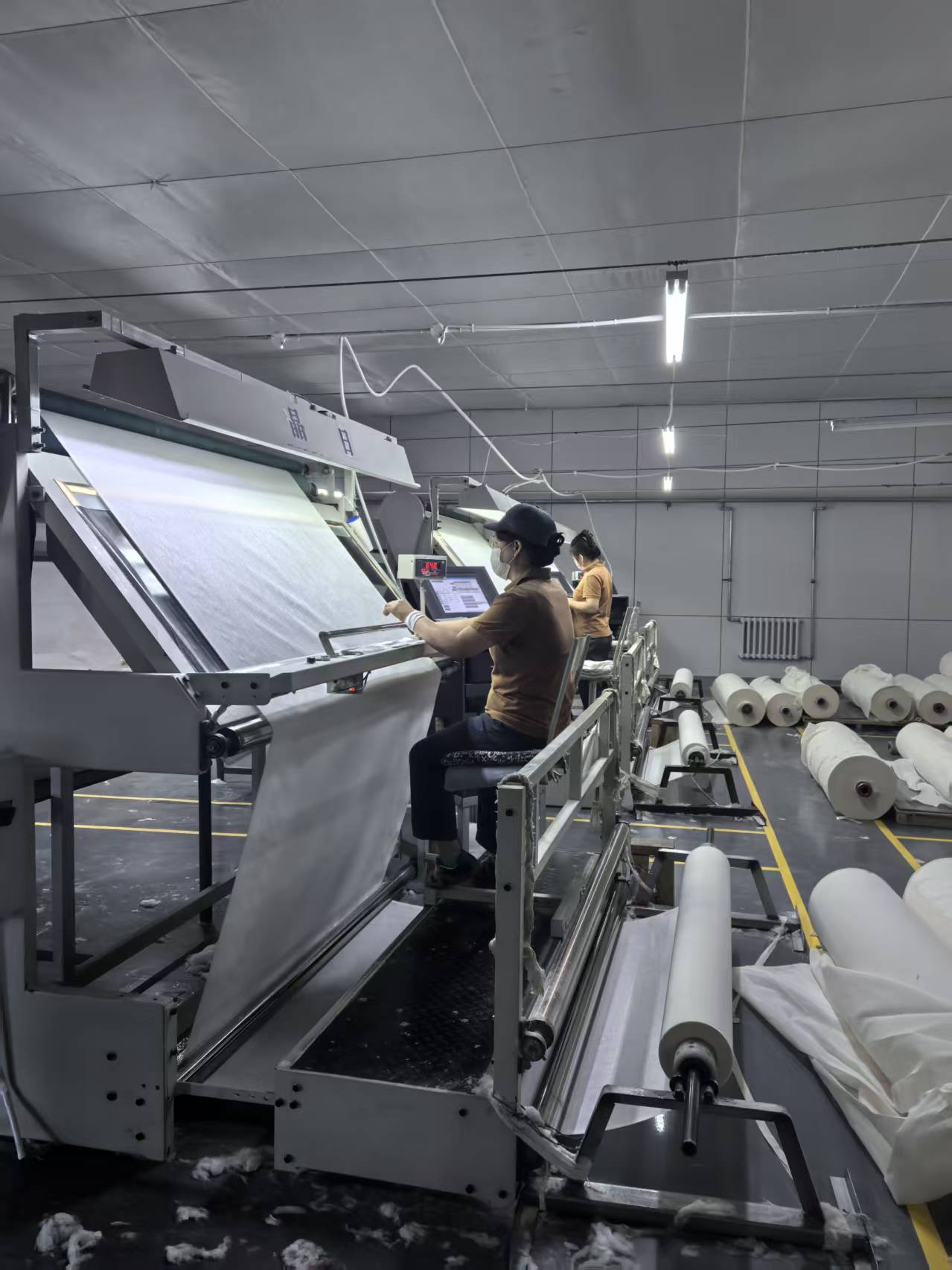
The Hanzhong quality page explains the review context and shows company photographs. A photograph of inspection activity is not itself a result for your order. Request the applicable record and confirm which goods it represents.
Understand the coverage before reading the total
Ask whether all offered rolls or a selected portion were examined, and what lengths were inspected. A defect total without its coverage can be difficult to interpret. Retain the report's units and any explanation of how the inspected quantity relates to the proposed shipment.
If only part of a shipment was reviewed, keep that limitation visible. Do not turn a sample of inspected material into a statement that every metre was checked. Agree any further work needed before making an acceptance decision.
Connect defect records to locations
Look for descriptions or images that allow the reported observations to be traced to a roll and location. Ask for clarification where a label is too general to understand. Keep the relevant photograph, description and reference together instead of relying only on a summary word such as passed.
Discuss what the finding means for the actual garment and cutting plan. A visible feature should be evaluated against the agreed product and acceptance requirements, not automatically classified from a photograph by someone who lacks that context.
Use the agreed grading basis
ASTM D5430-26 is a reference for visual examination and grading of fabrics. Its public description notes that grading options can produce different scores. Agree the method, option and acceptance basis for the order rather than comparing totals produced under different rules.
This article does not reproduce the standard, establish a default four-point limit or claim that every Hanzhong order is inspected under that method. Obtain the actual procedure through the appropriate source and agree its application with the parties responsible for the inspection.
Separate visual inspection from other evidence
A visual report does not automatically establish fiber composition, shrinkage, colorfastness or certification scope. If the order requires those checks, ask for the relevant evidence and identify the tested sample or covered product separately. Keep an unresolved requirement open instead of treating a visual pass as a substitute.
Use the certificate-scope checklist when a purchasing brief includes a certification requirement. The questions are related, but an inspection record and a certificate serve different roles.
Close the review with a traceable decision
- Match the report to the actual order, SKU, shade and rolls.
- Confirm the quantity and coverage inspected.
- Clarify significant observations and their locations.
- Record the grading method and agreed acceptance criteria.
- Identify any remaining tests, corrective action or approval needed.
Retain the decision with the sample and bulk approval record. If you need an inspection arrangement for a proposed order, send the requirement with the quality, quantity and destination so the scope can be discussed before shipment.